
LangGrant today added a Model Context Protocol (MCP) server to a platform that enables artificial intelligence (AI) applications and agents based on large language models (LLMs) to use relational databases as vehicles for remembering previous tasks and processes.
The beta release of an LLM enterprise database orchestration and governance engine (LEDGE) MCP Server enables AI applications and agents to launch queries against backend databases and data lakes to generate more accurate outputs, says LangGrant CEO and CTO Ramesh Parameswaran.
The LEDGE MCP server automates query planning and orchestration to enable AI agents to autonomously create multi-stage analytics workflows in a way that is reviewable and auditable by human teams.
In effect, an LLM can now reason across a set of micro data lakes that the LangGrant platform is able to join as needed in near real time using data that IT organizations have already vetted, he adds. “We’re able to join that data on demand,” says Parameswaran.
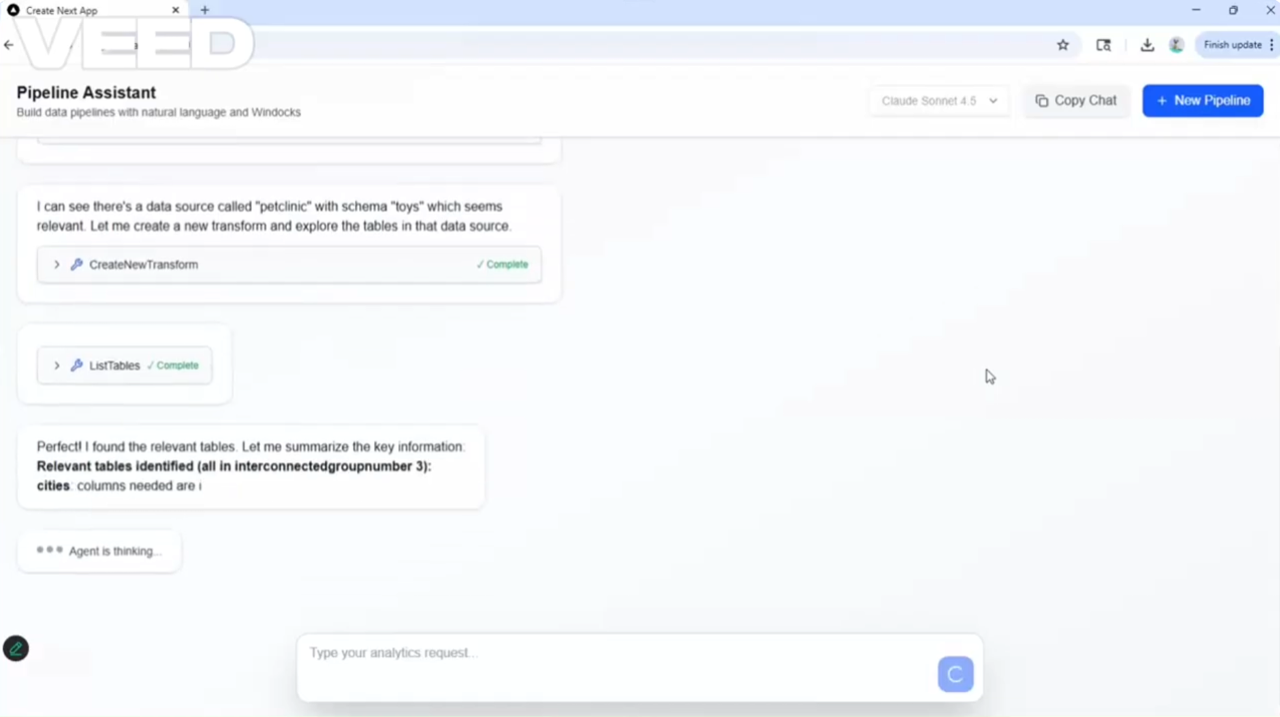
That capability eliminates the need to rely on application developers and data engineers to manually join data sets before AI applications and agents can invoke a data set, he notes. The overall goal is to, without having to move data from where it resides, significantly simplify the amount of context engineering effort that would otherwise be required, adds Parameswaran.
Previously known as Windocks, LangGrant developed a database virtualization platform that encapsulated legacy SQL databases in a container to make them more accessible to cloud-native applications. LEDGE MCP server now extends the reach of the core technology to AI applications and agents that can now reason across metadata and schemas spanning multiple classes of data sources, including Oracle, SQL Server, Postgres databases and Snowflake data lakes.
That capability not only reduces token costs by streamlining data workflows; it also enables IT teams to ensure security and governance policies are followed, says Parameswaran.
Enterprise IT organizations of all sizes are exploring multiple paths to exposing curated data to LLMs to generate better outputs. A recent Futurum Group survey finds the top area of investments following AI tools and platforms (52%) are data platforms (41%) and data quality/observability (40%) tools.
The challenge is that, historically, investments in data platforms have tended to be highly fragmented, an issue that is now coming home to roost in the age of AI as organizations realize how critical it is to expose the right data at the right time to AI models.
In theory, data engineers will rise to that challenge but that expertise continues to be hard to find and retain. One of the benefits of the LangGrant approach is it takes advantage of an MCP server to enable a database administrator (DBA) to assume more responsibility for managing the data exposed to an LLM, notes Parameswaran.
Regardless of approach, there is a much greater appreciation for the value of business data. The only issue that remains to be resolved is how long it will take to harness all the data that resides in the enterprise to drive the next generation of AI applications.
