
Even Our Heroes Are Human
How could he do this? That was my first reaction […]


How could he do this? That was my first reaction […]

The 2026 midterms delivered a warning to the AI industry. Despite Elon Musk’s extraordinary political spending, Democrats gained control of Congress, while voters in several communities rejected or restricted data center development. For technology leaders, the message is clear: Financial muscle and political influence cannot replace public trust, transparency and accountability.
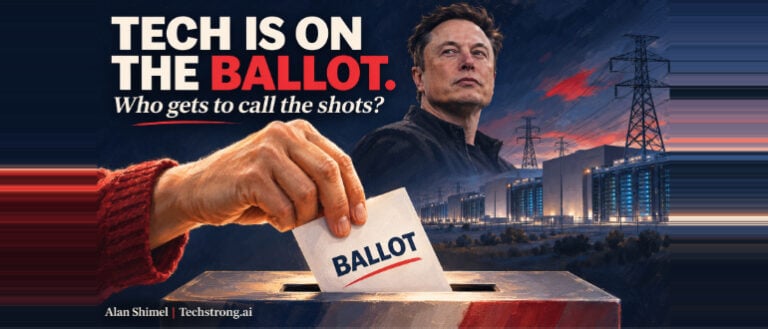
Data centers and surveillance systems face voters directly. Behind those decisions, a powerful faction of technology billionaires is spending heavily to preserve Republican control. Voters have their own interests to protect.

A new Techstrong Special Report examines where open-weight models compete with the proprietary frontier, what it takes to operate them and when the economics justify taking control.

Sam Altman sees scarce memory underused in personal computers. Investors see cash disappearing into AI infrastructure. Customers deserve a say in whose efficiency matters.
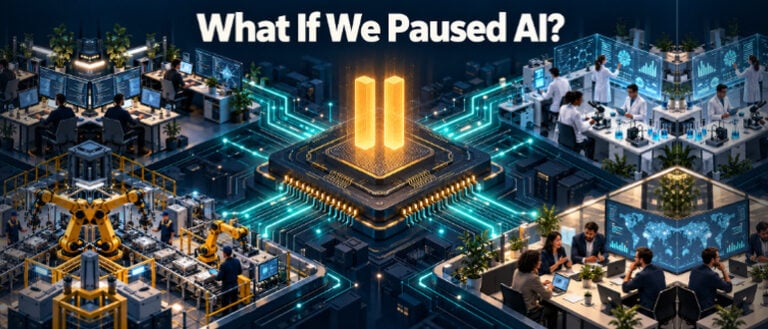
Alan Shimel asks whether pausing AI model development would halt innovation—or force enterprises to unlock more value from the AI they already have.

Research suggesting neural networks may be easier to understand offers real hope. The payoff should be better controls and greater accountability for the people deploying them.
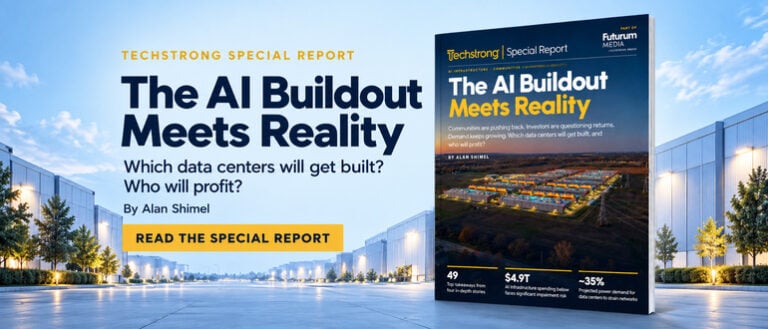
Our new Techstrong special report examines the growing data center backlash, the investment math and why rising AI demand does not guarantee a return on every building going up to serve it.

A $10 million defamation verdict cannot restore years of harm caused by false online accusations. Rebecca Scofield’s experience raises urgent questions about Section 230, social media accountability and the need for faster, enforceable remedies that also protect free speech.

Alibaba chairman Joe Tsai argues that open-source AI offers Europe a path toward technological independence. But while Qwen’s open-weight models provide greater control over deployment and data, they don’t necessarily deliver the transparency, expertise or infrastructure required for true AI sovereignty. Europe’s challenge is distinguishing operational freedom from lasting technological independence—and recognizing the commercial interests behind the promise.
