
AI’s Health Promise Has to Reach the Patient
When someone you care about needs a treatment that does […]


When someone you care about needs a treatment that does […]

If readers loved a book before learning AI helped create it, did the writing itself become worse? The real questions are quality, disclosure and who takes responsibility for the finished work.

AI may help doctors work better, but whether it improves healthcare for patients depends on access, affordability, communication and whether human care remains available when it matters.

A Techstrong special report examines how AI-driven gambling promotions, predictive targeting and responsible-gambling protections intersect with regulatory oversight.

AI systems are beginning to improve the software and procedures behind their own performance. The business opportunity starts well before superintelligence. So does the responsibility to control what changes.
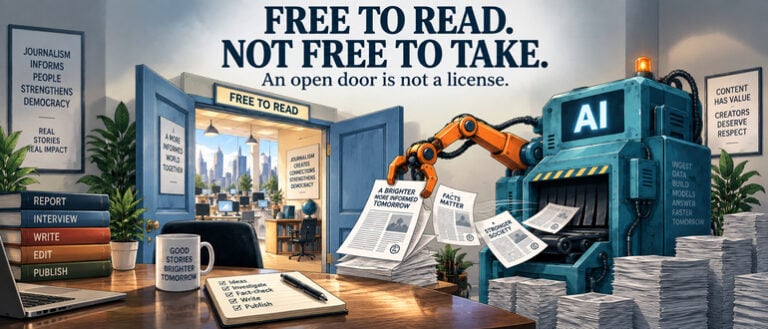
Free-to-read journalism is not free for AI companies to take. Alan Shimel examines copyright, licensing, fair use and the economics of AI training.
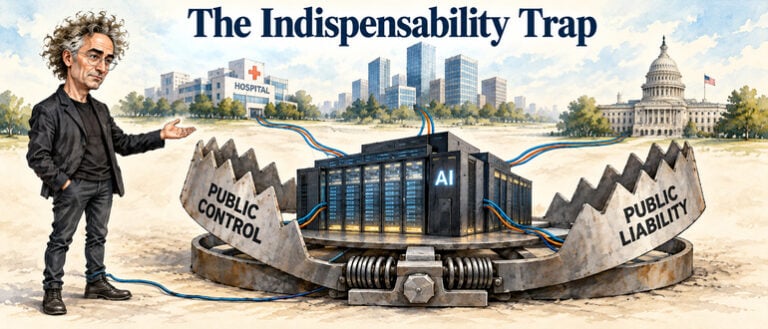
Alan Shimel examines Alex Karp’s warning that indispensable AI could bring greater liability, oversight and even nationalization—and what that means for control, competition and public responsibility.
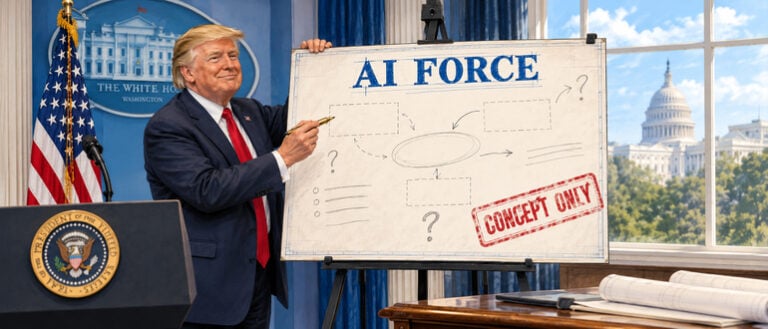
President Trump has created the AI Force brand. What he has not yet created is the mission, authority or constitutional foundation that would make it a real and durable institution.

Slowing AI development sounds simple until competition, commercial incentives and geopolitics enter the picture. The real challenge may be making cooperation credible enough that rivals are willing to accept restraint.

If you tell me the technology you are building could […]
