
AI is being used to unlock the ancient secrets of traditional medicine, revealed the World Health Organization (WHO) during a summit on traditional medicine in New Delhi. The AI initiative is being supported by the launch of a searchable Traditional Medicine Global Library containing more than 1.6 million scientific records on the subject. The move marks a sea change in attitude as the modern medical establishment has denigrated traditional medicine almost since its inception.
“WHO is committed to uniting the wisdom of millennia with the power of modern science and technology to realize the vision of health for all,” said Dr. Tedros Adhanom Ghebreyesus, WHO director-general, at the Second Global Summit (December 17-19, 2025) on Traditional Medicine in New Delhi, India. “By engaging responsibly, ethically and equitably and by harnessing innovation from AI to genomics, we can unlock the potential of traditional medicine to deliver safer, smarter and more sustainable health solutions for every community and for our planet.”
Traditional medicine (TM) encompasses codified and non-codified systems that predate modern medicine but which have also continued to evolve. The reality is that for many people, TM remains the main source of health care. Nearly 90% of WHO member states (170 out of 194) report that 40 to 90% of their populations use TM. This is because nearly half the global population lacks access to modern health care services while a quarter of the population can’t afford it, according to WHO.
“This is a pivotal moment for traditional medicine,” said Dr. Yukiko Nakatami, WHO’s assistant director-general for health system, access and data, as traditional medicine increasingly “constitutes a vital component of primary health care strategies.”
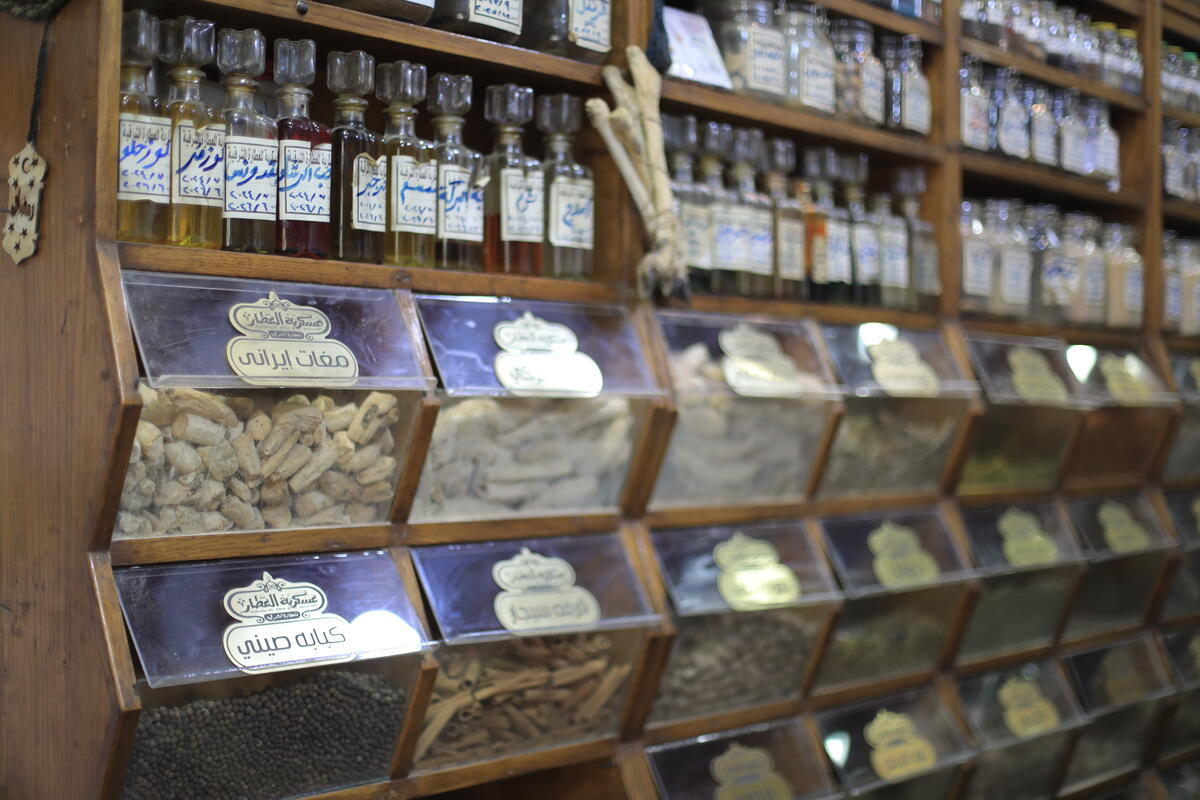
AI’s beneficiary role in TM can proceed across a variety of sectors. AI’s ability to recognize patterns that might not be readily noticed by humans is key. AI analysis of pulse reading, tongue inspection, body element or composition (fat, water, muscle, minerals, toxicities, etc.) analysis, facial observation and other biometric observations are rich pattern detection tasks that can aid in diagnosis.
A key objective is to eliminate the need for patients to choose between modern and traditional medicine. Ayurveda, for example, is an Indian TM system that takes a holistic approach to health by emphasizing a balance between mind, body and spirit through diet, herbal remedies, massage, yoga and meditation. A traditional Ayurveda treatment plan can be augmented using AI to include genetic data, environmental factors and health data.
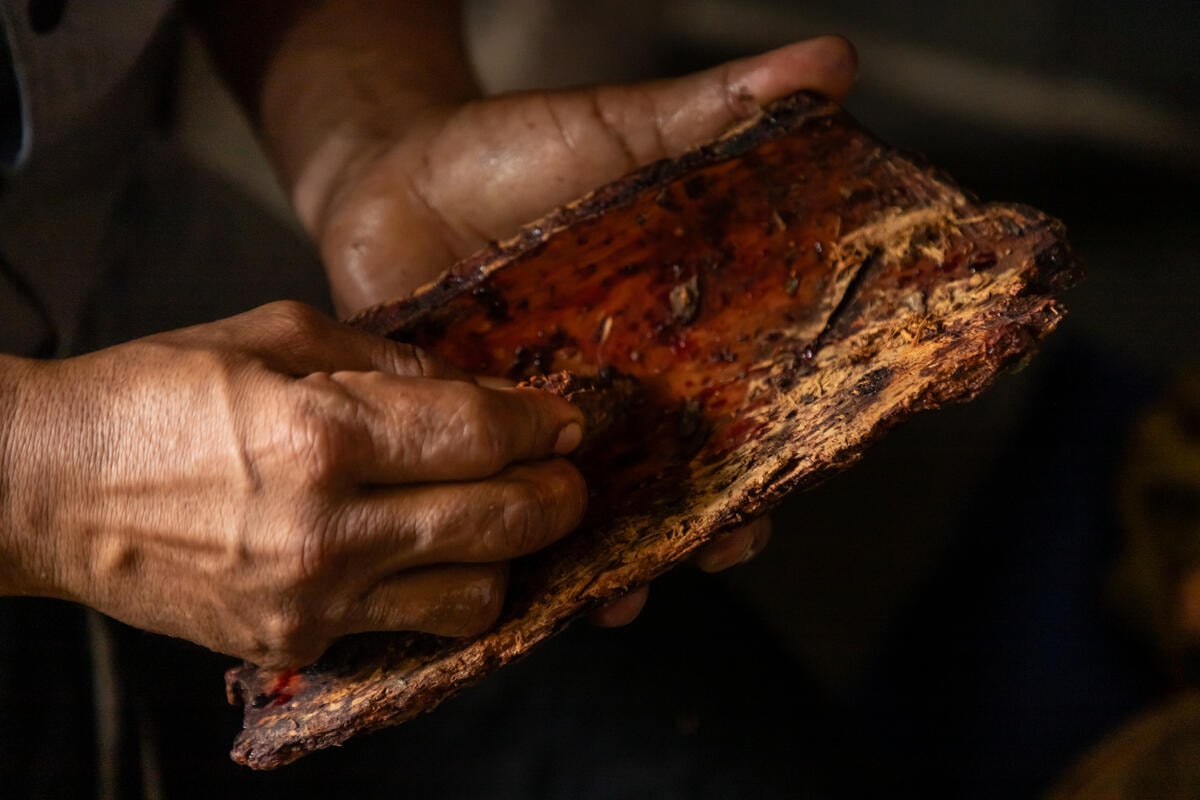
Another area where AI is playing a key role is in the identification of plants used in TM. A database of leaf images and associated textural data collected by an electronic tongue is being created for easy identification. At the same time, projects like the rooibos genome program at the South African National Bioinformatics Institute seek to identify the compounds contained in a plant with a proven TM track record. Similarly, a program in Ghana is investigating why certain plants are effective in the treatment of influenza. Likewise, the use of medicine from the bark of a mee tree in Sri Lanka traditionally used by healers to treat inflamed skin has had its antioxidant and anti-inflammatory properties confirmed by laboratory analysis.
Perhaps just as important, AI is allowing diverse TM systems in different parts of the world to connect. TM systems like Ayurveda, Unani, Sowa Rigpa, Kampo, Koryo, Homeopathy and others can be comparatively studied to discern patterns and insights into their common therapeutic effectiveness. Aiding in that regard is the new Traditional Medicine Global Library which can house scraps of TM information going back centuries in China, for example. And as AI’s understanding of TM increases, it may be able to augment missing information with synthetic data for preliminary testing or hypothesis generation.
A big challenge is that TM is often overlooked when it comes to health care regulations. AI adds another wrinkle into the mix at a time when global AI regulations in health care matters can be described as uneven or in their infancy at best. Money also is an issue as less than 1% of global health research funding is dedicated to TM, notes WHO. Also vital is awareness of the role of indigenous people who currently safeguard 40% of the world’s biodiversity—the main source of TM formulations—while only accounting for 6% of the global population.
For its part, WHO is encouraging member states to bring scientific rigor to the analysis of TM to make it complementary to modern medicine and have TM supported by appropriate health regulations. WHO has issued a 10-year TM action plan for guidance.
“Stronger collaborations and frontier technologies such as AI, genomics, systems biology, neurosciences, and advanced data analytics can transform how we study and apply traditional medicine,” said Dr. Sylvie Nriand, WHO chief scientist.
Using AI and other new technologies to unlock the secrets of ancient traditional medicine is a new frontier in and of itself.
