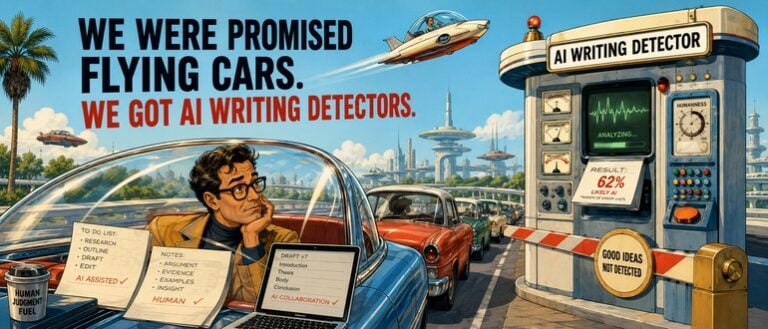
We Were Promised Flying Cars. We Got AI Writing Detectors
AI-assisted writing is quickly becoming simply writing. The real questions are whether the work is thoughtful, accurate, meaningful and owned by the author.


AI-assisted writing is quickly becoming simply writing. The real questions are whether the work is thoughtful, accurate, meaningful and owned by the author.
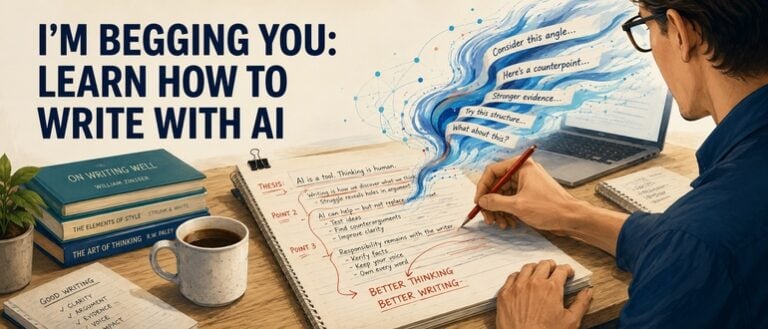
AI can replace the work of writing and weaken the thinking that comes with it. But used collaboratively, it can also challenge ideas, sharpen arguments and make the human author more deeply engaged with the finished work.

AGI is a milestone. Superintelligence is a threshold. Recursive intelligence […]

For most of the AI era, we have treated AGI […]

AWS has proved the demand for the cloud it operates today. Now Amazon must prove that demand can fill the vastly larger AI infrastructure empire it is building for tomorrow.

The AI infrastructure buildout may be economically transformative and financially excessive at the same time. The winners will be those who understand where the value moves next.
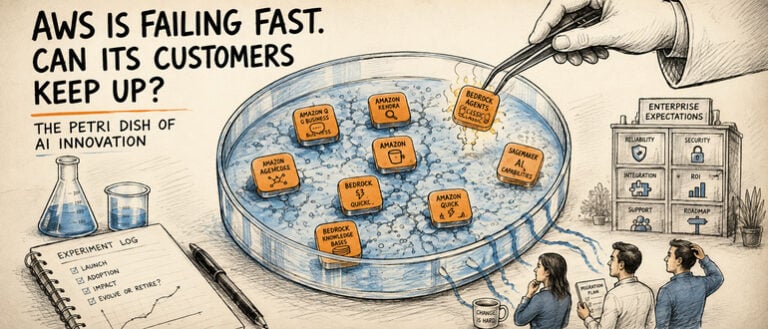
AWS is selectively pruning AI offerings that the market may have passed by. That is how innovation works. It also raises questions about how much confidence enterprises should place in the next generation of AWS AI services.

Oracle is borrowing enormous sums, cutting tens of thousands of workers and draining capital from its existing business to construct an AI grid it does not yet own. Roughly half its contracted future revenue may depend on one prospective tenant: OpenAI.

If the artificial intelligence industry were pitched as a television […]

Zuckerberg is right that concentrated AI power is dangerous. He is also arguing from a position, not a principle, and Meta has switched sides on this question before.
