
C3 AI revealed today it has made available a coding tool that uses artificial intelligence (AI) agents to build and deploy applications that can be deployed on its platform.
Accessible via a natural language, the AI agents that have been added to the C3 Code framework are designed to enable developers to invoke multiple large language models (LLMs)
Embedded within the Spring 2026 release of the company’s AI platform, the goal is to make it simpler to build applications using procedural code using AI agents that are optimized to both build and deploy applications on the integrated C3 AI platform, says C3 AI CEO Stephen Ehikian.
Instead of relying on general-purpose AI coding tools, C3 AI is now extending that platform to add AI coding tools that, in addition to creating code, have been trained to deploy, manage and govern deployments across the runtime environment that the company embedded into its platform, he adds.
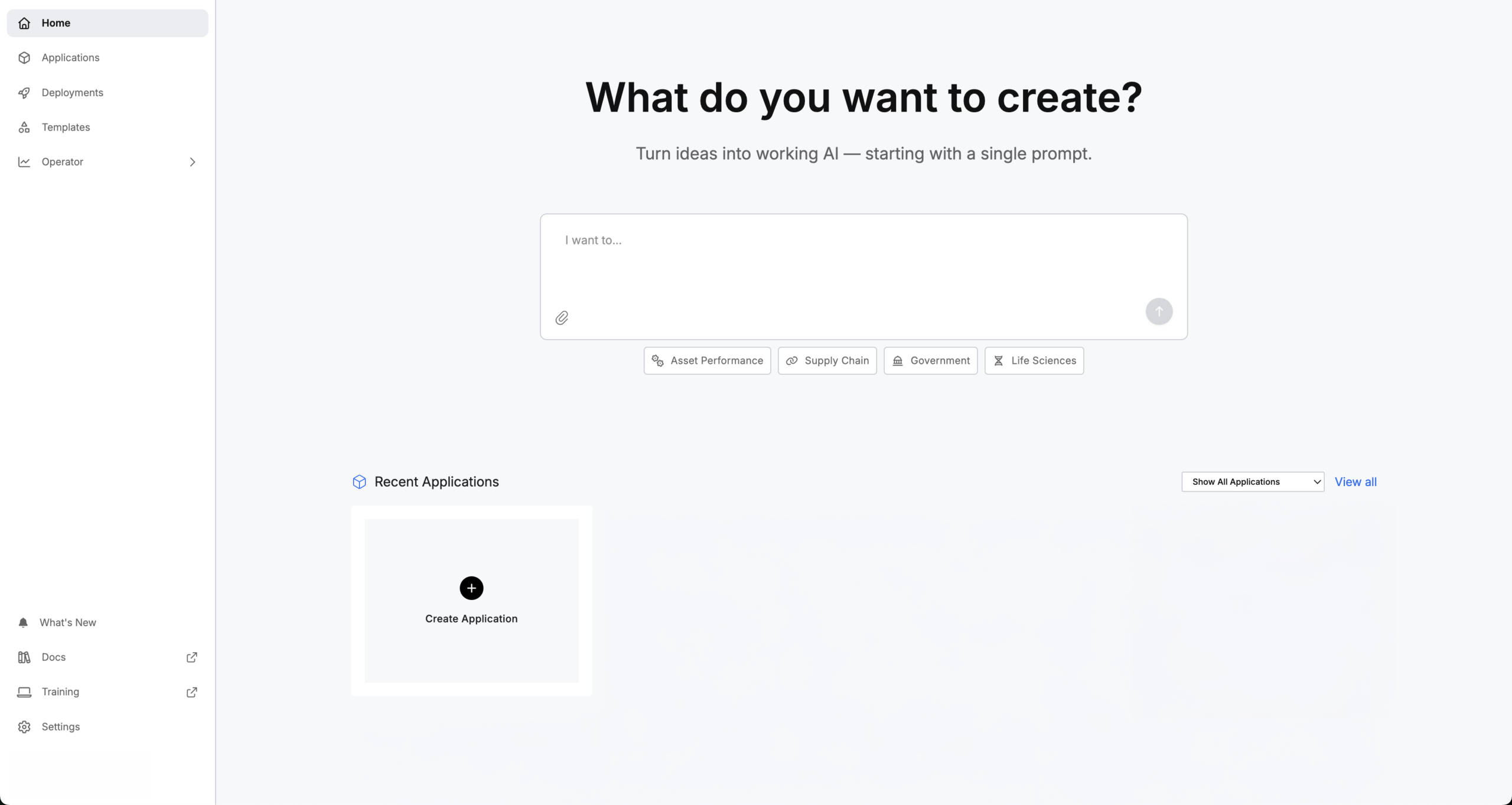
Documentation, references to application programming interfaces (APIs), architecture blueprints, and community patterns are made natively available to every agent. A single natural language prompt produces data models, APIs, machine learning (ML) pipelines, agentic workflows, and user interfaces designed to be more readily deployed using an AI agent orchestration framework embedded in the C3 AI platform.
That approach ultimately accelerates the pace at which AI applications are built and, just as importantly, actually deployed, says Ehikian. Otherwise, too many IT teams are finding themselves stuck in a cycle of experimentation that doesn’t lead to applications being deployed fast enough for the business, he notes. “We’re accelerating time to AI value,” says Ehikian.
At the core of that platform is a C3 AI Type System that provides a unified layer of abstraction for accessing enterprise data. Additionally, C3 AI provides access to pre-built data models for the manufacturing, energy, financial services, defense, utilities, and healthcare sectors to reduce the total cost of building and deploying applications.
Rather than requiring an IT team to build and maintain an AI platform based on bespoke components, C3 AI has been making a case for an integrated platform for building and deploying applications.
It’s not clear to what degree IT teams prefer to build and maintain their own application development environment versus relying on a more integrated platform, but there is no doubt that pressure to build and deploy AI applications faster is starting to mount. Business leaders are typically much less interested in how software is built than they are in the speed at which applications can actually be deployed.
Each organization will need to determine what path for building and deploying AI applications makes the most sense for itself. However, the amount of effort required to build and maintain these platforms is significant and in the age of AI, developers are becoming less concerned about the tools and platforms employed so long as they can access any large language model (LLM) they prefer to create the procedural code that is increasingly being written by an AI agent rather than the individual application developer.
