
In today’s competitive IT landscape, responding to requests for proposals (RFPs), crafting tailored solutions, and producing polished proposals remain painfully manual and error-prone. Pre-Sales teams often spend hours sifting through complex documents, translating multilingual specifications and hunting for the right content, all under tight deadlines. Given below are some practical challenges:
- Large RFP Documents with multiple pages (sometimes more than 50 pages) or even multiple sub-documents
- Too many RFPs to be addressed by a smaller Pre-Sales Team
- RFPs released with very short deadlines
- RFPs released during Public holidays with short turnaround times
- RFPs in local languages such as Arabic, French etc.
The consequences are real: Delayed responses, inconsistent quality, missed deals and burnout.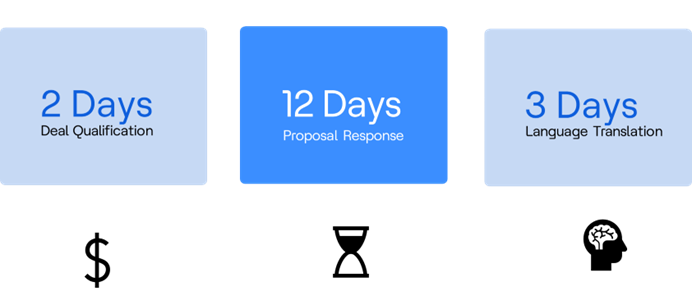
Figure 1: Typical Durations During Pre-Sales
Given below are some typical durations for different aspects of the Pre-Sales process:
- Deal Qualification typically takes one to two days
- Proposal Response takes 10 to 12 days on average. It can go beyond 30 days also depending on the complexity
- If the RFP is in another language, like Arabic, French, etc., translation can take up to three days
So, all these impact cost, time, efficiency and quality of the proposal.
What is Pre-Sales and Why Does it Matter?
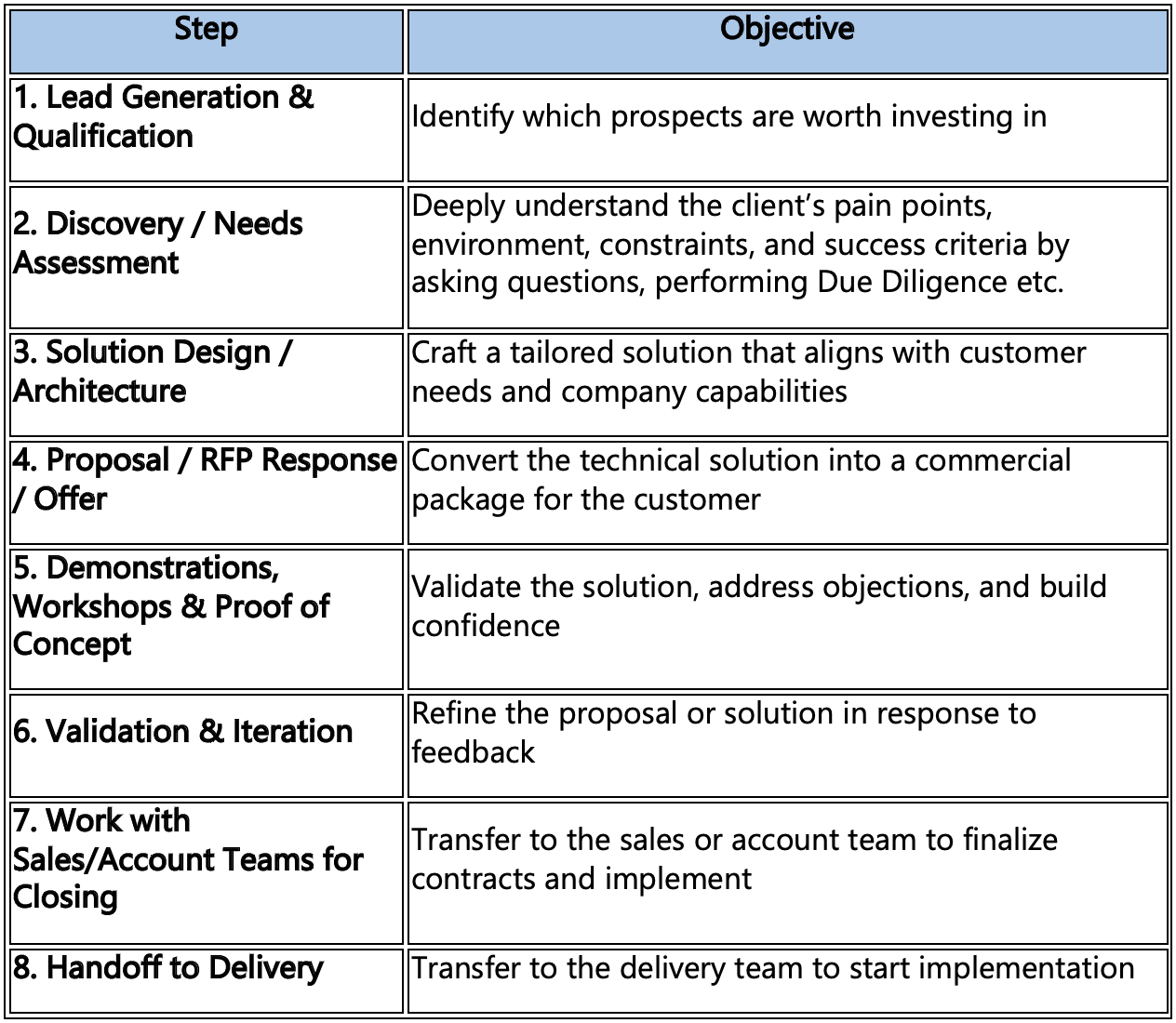
Pre-Sales refers to all the activities and functions that occur before a formal sale is made — essentially the groundwork that enables sales to be effective and efficient. It bridges the gap between a customer’s raw interest and a credible, tailored solution that can be proposed and delivered.
Given below are the main Steps involved in Pre-Sales:
Enter GenAI: The New Force Multiplier
The concept is simple but powerful: combine Large Language Models (LLMs) with Retrieval-Augmented Generation (RAG) to create a smarter, faster, and more reliable Pre-Sales engine.
Given below are the Use Cases that are part of the initial solution:
- Bid Brief (RFP Summary): Instantly extracts key requirements and risks.
- Proposal Response Generation: Drafts compliant, on-brand responses in minutes.
- Presentation Builder: Turns proposals into ready-to-present decks.
- Chatbot: Answers complex technical or domain queries on-demand
- Language Translation: Converts Arabic or French RFXs into fluent English with context.
While we start with Pre-Sales in our initial Phase, the future phases will cover use cases from Sales and Marketing as well:

Figure 2: Use Cases
The Technical Solution
Given below is the Logical Solution Architecture. The system integrates seamlessly with enterprise tools like CRM, Teams, or SharePoint, ensuring adoption with minimal disruption.
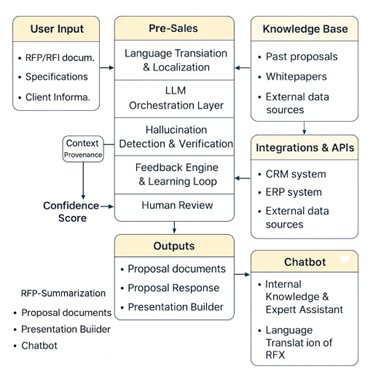
Figure 3: Logical Architecture
Given below is the Technical Architecture along with the proposed Technology used:
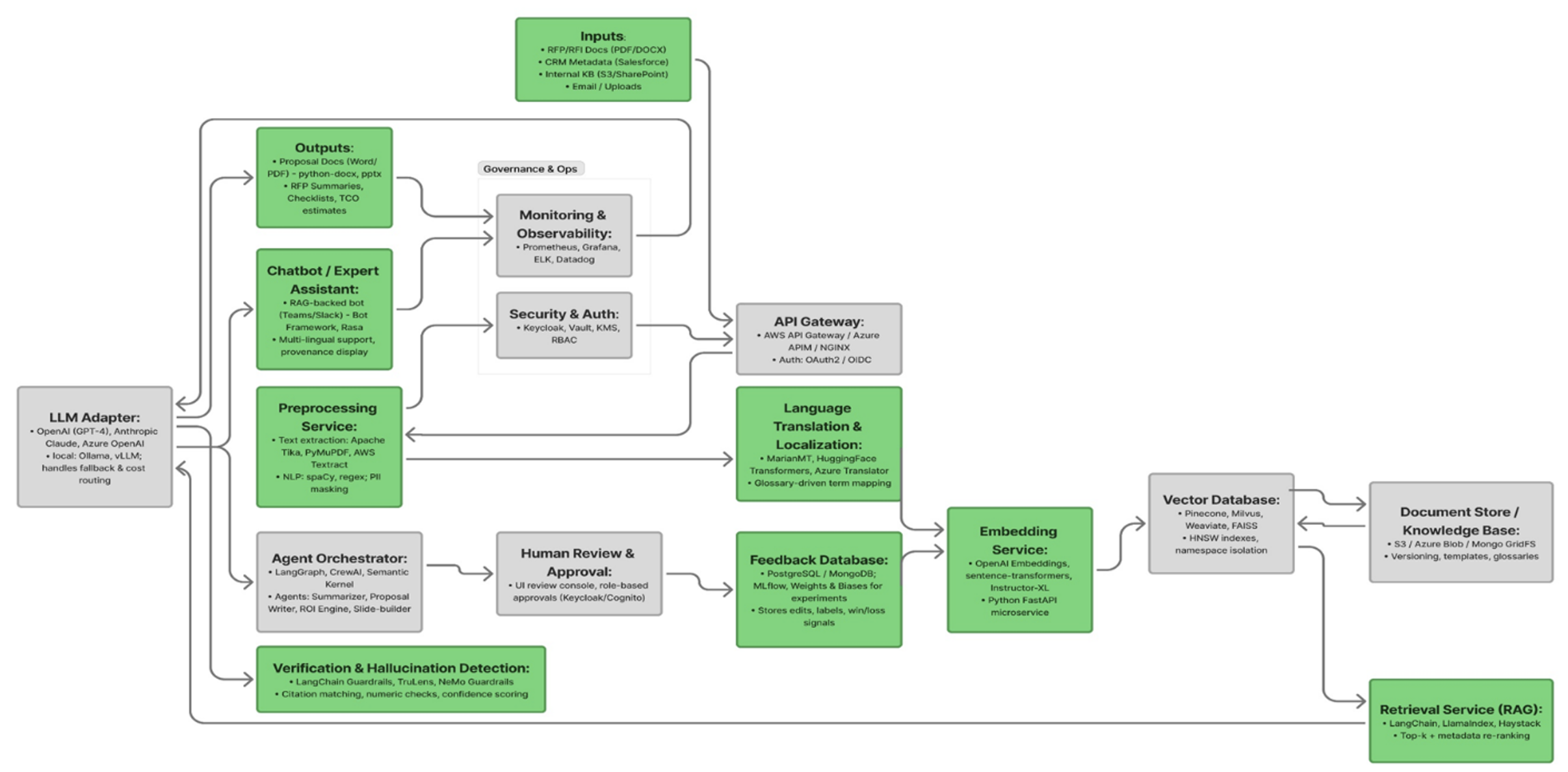
Figure 4: Technical Architecture
Product Roadmap:
The product roadmap outlines a phased plan for development, rollout, and enhancement of the GenAI-enabled Pre-Sales platform.
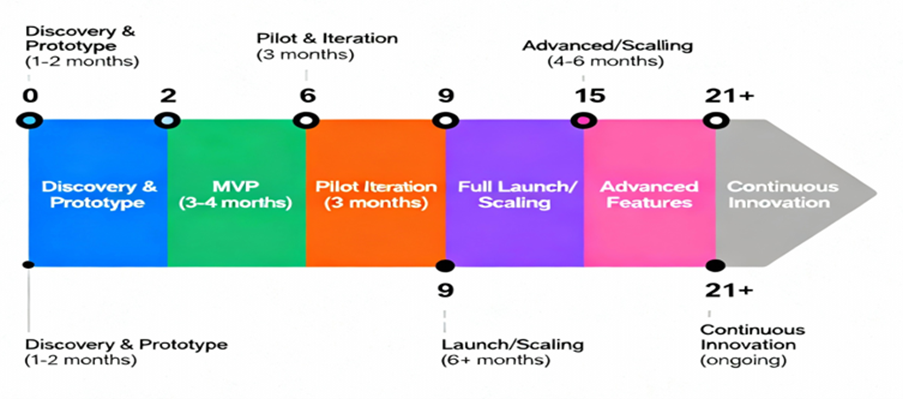
Figure 5: Product Roadmap
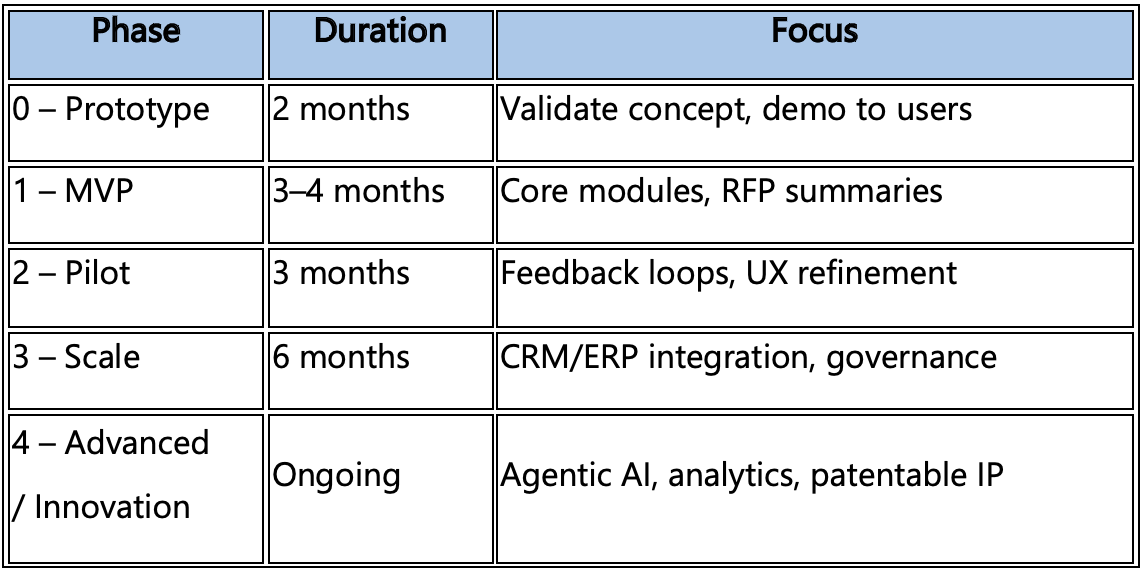
Future expansions include Deal Health Scoring, Predictive Win Analytics, and Automated Proposal Ranking.
KPIs, Metrics and Success Criteria:
Given below are a few key KPIs and metrics to determine the success of the solution:
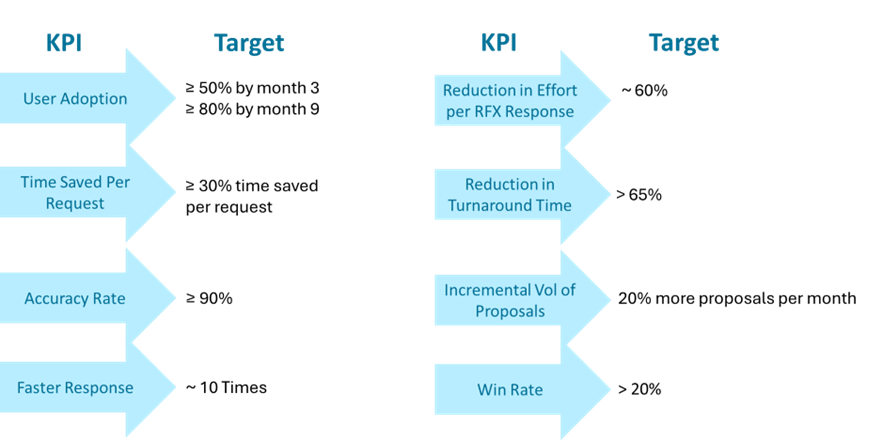
Figure 6: KPIs To Determine Success
Results & ROI: Where the Value Lies
By modeling a real-world IT firm with 50 Pre-Sales resources, we calculated measurable impact as follows. In addition to the quantitative benefits, the overall proposal quality also improves with no aspect of the RFP being left out.
That’s not just productivity — that’s profit with purpose.
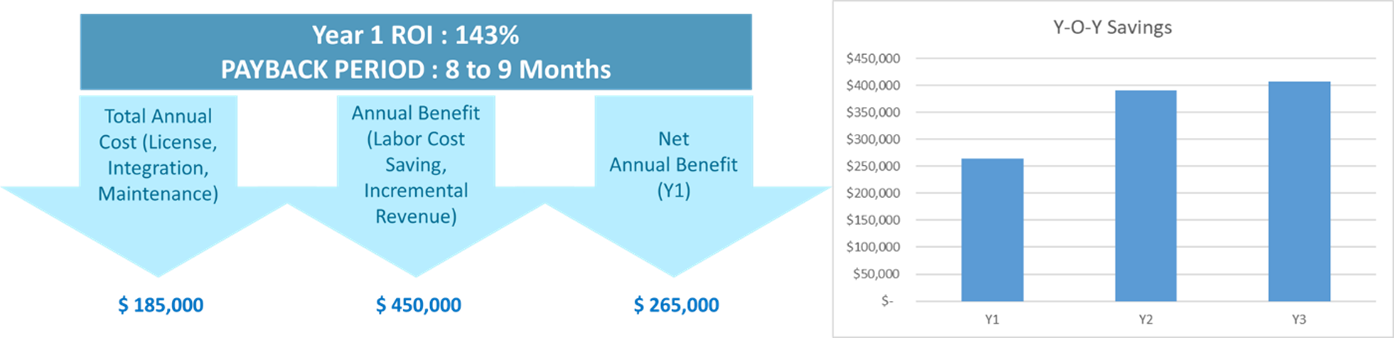
Figure 7: ROI and Y-O-Y Savings
Final Thoughts
Generative AI is not replacing Pre-Sales professionals — it’s amplifying them. By automating the mundane and empowering the meaningful, GenAI allows teams to focus on what matters most: strategy, relationships and innovation.
