
Google’s Agent Executor Takes On the Hard Part of Agentic AI
The models are getting better. The agents are getting more […]


The models are getting better. The agents are getting more […]
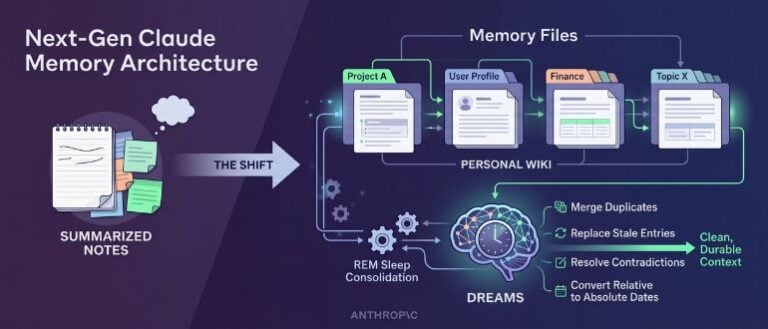
Anthropic is testing dual-mode AI memory, introducing structured “Memory Files” and an background consolidation feature called “Dreams” to give Claude a smarter, evolving understanding of users.
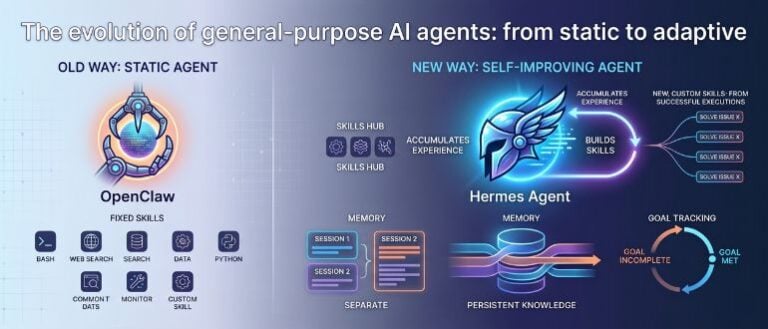
The open-source AI agent landscape is shifting from static executors to experience-accumulating assistants. While OpenClaw popularized always-on agents running through messaging platforms, Nous Research’s Hermes Agent has recently surpassed it in daily token consumption on OpenRouter by offering a radically different architecture.
Instead of relying solely on pre-configured tools, Hermes Agent builds and manages its own skill library using a background system called Curator, which automatically encodes successful problem-solving behaviors for future use. Combined with a sophisticated, self-merging memory model and a persistent goal-tracking loop that executes tasks autonomously over multiple turns, Hermes Agent signals a new baseline for general-purpose AI—one where tools continuously adapt, learn, and improve the more they are used.
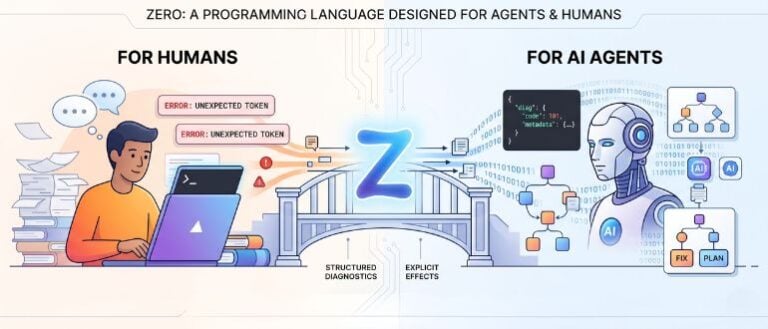
Vercel Labs’ Zero is an experimental programming language built for AI agents, featuring structured JSON diagnostics, explicit effects, and native binary output.
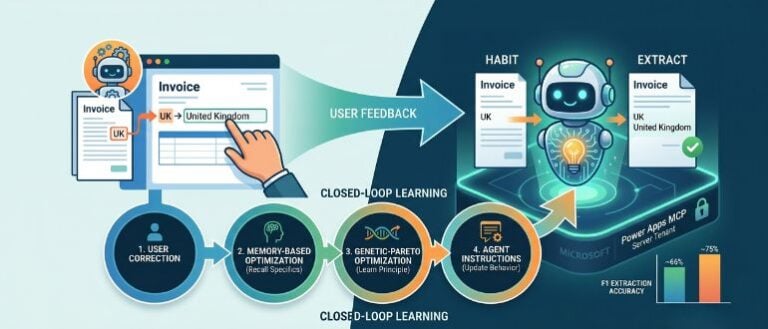
Microsoft’s Power Apps MCP server now automatically learns from user corrections, improving agent accuracy across the entire organization over time.

AWS has announced the general availability of its MCP Server, providing AI agents with secure, authenticated access to 15,000+ APIs and real-time documentation through IAM-governed guardrails.

IBM’s Granite 4.1 brings smaller, faster AI models built for enterprise. Here’s what’s new and why efficiency is taking center stage over scale.
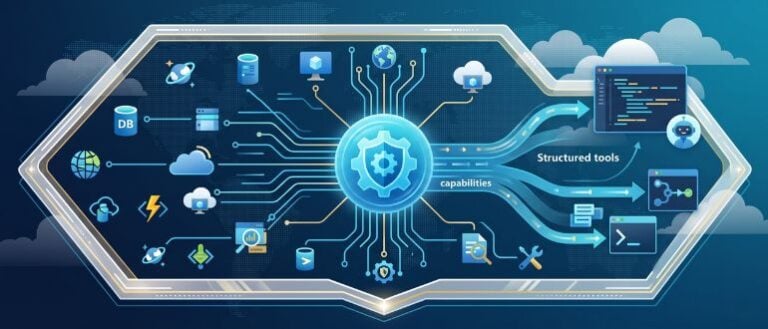
Microsoft releases Azure MCP Server 2.0 with self-hosted remote support, enterprise security hardening, and sovereign cloud readiness for agentic AI workflows.
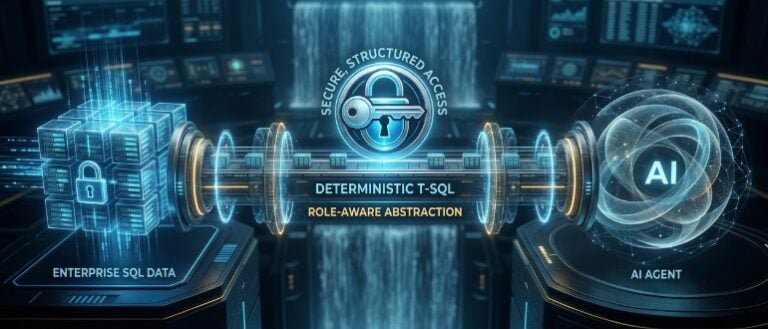
Microsoft’s SQL MCP Server provides AI agents with secure, deterministic access to enterprise SQL data — without exposing the schema or relying on unpredictable NL2SQL queries.
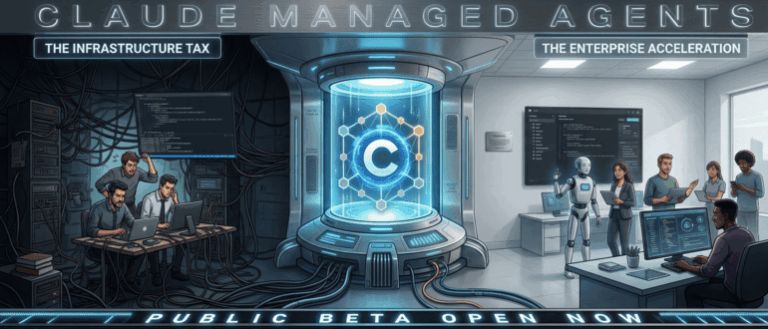
Move from prototype to production in days. Anthropic’s new Managed Agents platform provides secure sandboxing, orchestration, and multi-agent coordination for enterprise-scale AI.
