
HP Inc. today at the CES 2026 conference unveiled a family of laptops based on an AI accelerator and a traditional CPU that eliminates the need for a graphical processor unit (GPU) to locally run an AI model.
Scheduled to be made generally available starting next month, the EliteBook X G2 series can be configured with a range of AI accelerators from Qualcomm, Intel and AMD.
For example, the HP EliteBook X G2q series makes use of a Snapdragon X2 Elite processor to provide up to 85 TOPS NPU performance for processing and running concurrent AI apps.
There is also a HP EliteBook X G2i, based on Intel Core Ultra Series 3 processors that provide 50 NPU TOPS to 180 platform TOPS, and an HP EliteBook X G2a series that provides up to 55 TOPS NPU using the latest AMD Ryzen AI processor.
HP has yet to reveal pricing for these systems, but the goal is provide a less expensive way for developers and data scientists to run AI models locally without having to incur the additional cost of a GPU.
That approach is being further augmented with tools that enable individual end users to also dynamically tune power, thermals, and system settings in real time. “All that performance doesn’t matter if your notebook is going to run hot,” says Caleb Fleming, a senior manager at HP. “When we crafted these notebooks we include intelligent performance so they stay cool, quiet, performant and responsive no matter how hard you push them.”
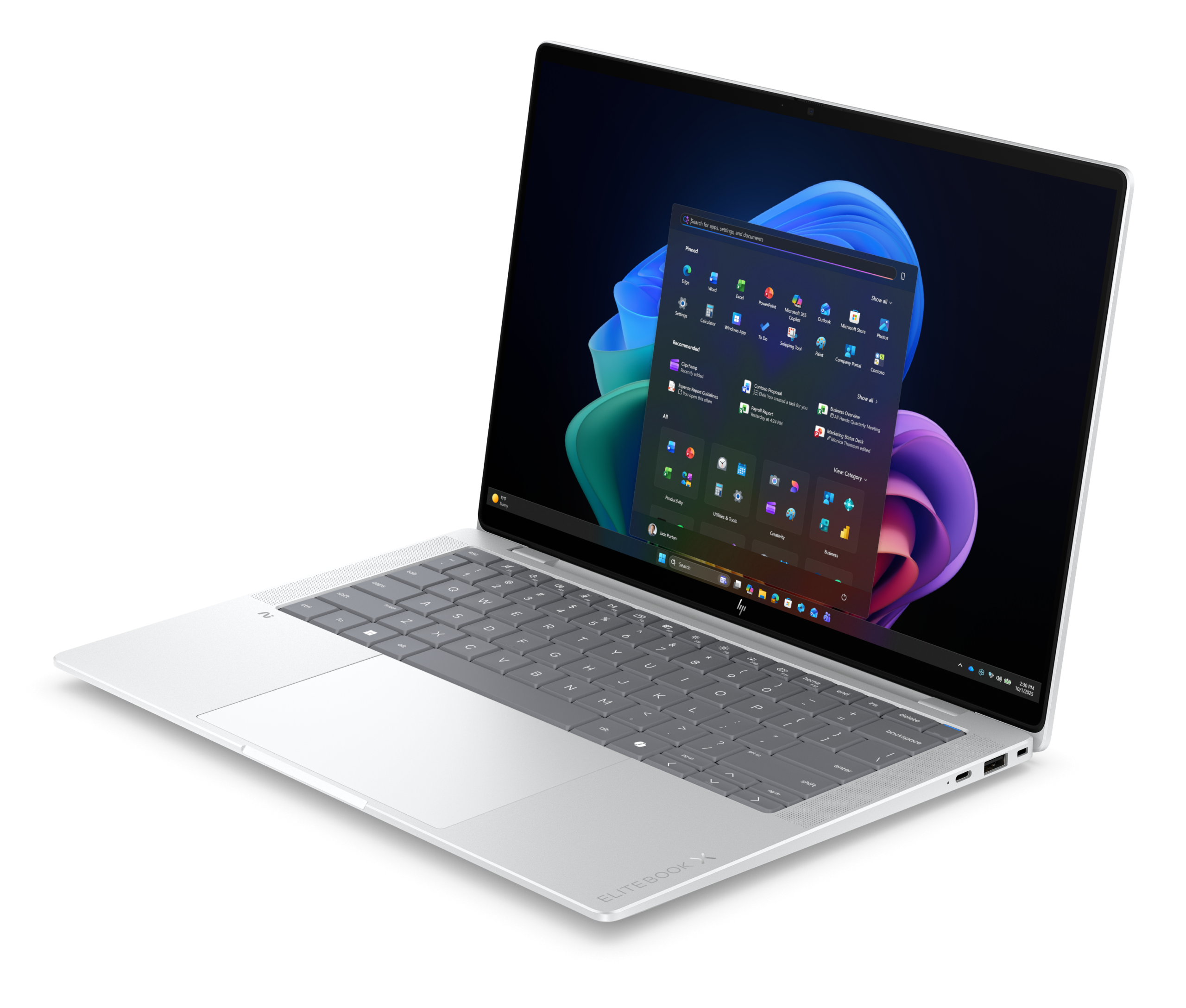
Each user will need to determine their preference based on performance, weight and battery life. The HP EliteBook X G2i ultra-thin laptop based on the Intel processors weighs under one kilogram, notes Fleming.
It’s not clear how rapidly organizations are adopting AI PCs, but a recent Futurum Group survey finds 88% of business leaders predicting AI PCs will replace traditional computers within two to five years. More than half of organizations also plan to increase PC spending over the next year specifically to acquire AI-enabled devices, according to the survey.
In the short term at least, application developers and data scientists are expected to be at the forefront of that adoption to help reduce the total cost of building AI applications. Instead of having to constantly access an AI model running on a cloud service that charges on a per token basis for each input and output generated, an AI PC can provide access to a smaller AI model running on their local machine.
Many of those developers and data scientists are acquiring machines today that will need to be able to run AI models over the lifespan of the device, which in many organizations ranges from three to five years.
Of course, HP Inc. is not the only provider of AI PCs that will be providing similar capabilities so each organization will need to weigh carefully any volume discounts that might be applied before standardizing on any given set of notebooks and desktop PCs. However, the one thing that is certain is that as AI accelerators continue to rapidly evolve, the need for GPUs to build AI applications might soon be considerably less than previously.
