
Artificial intelligence is rapidly transforming business and industry. However, as organizations accelerate their adoption of AI, many underestimate the complexity and risk inherent in protecting vast, distributed data estates.
HYCU spoke at AI Field Day 7 about how they help organizations address this challenge with a platform designed to protect data in modern AI-driven environments.
The Importance of Data Protection in AI Initiatives
Enterprise AI initiatives rest on an intricate mix of data: large-scale datasets, sophisticated model configurations, and a patchwork of cloud, SaaS, and on-premise services. The risks are clear: a single point of failure, whether a corrupted file or a targeted attack, can disrupt critical operations and undermine confidence in AI-driven systems.
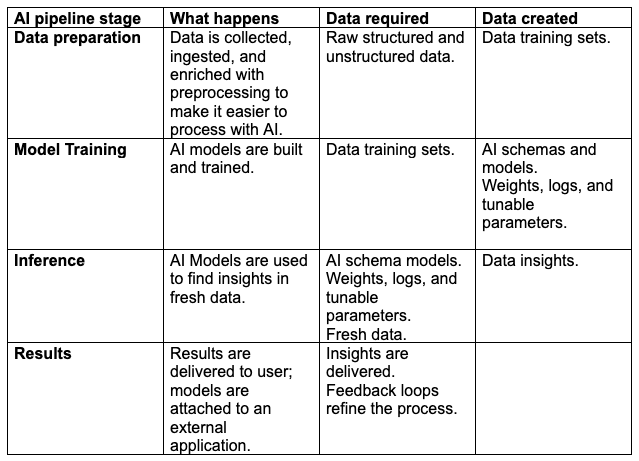
The table below outlines the stages of an AI pipeline and the data requirements at each step:
Sometimes the challenge is knowing where data exists across multiple SaaS applications that make up an organization’s AI workflow.
HYCU’s End-to-End Approach to Protecting AI Data
At AI Field Day, HYCU presented their solution: a multi-pronged strategy that targets every phase of the AI data lifecycle, from discovery to recovery and beyond.
Data Discovery:
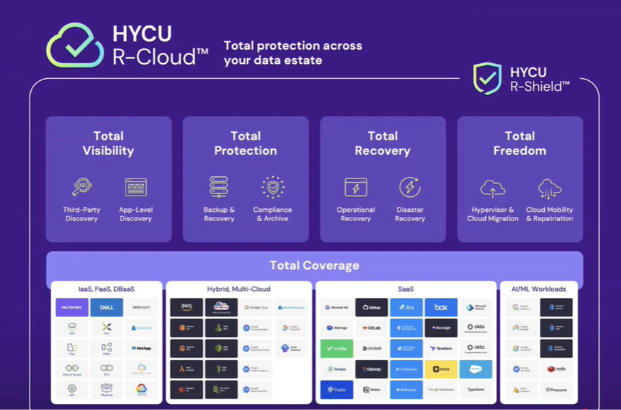
One of the consistent pain points in enterprise environments is visibility, organizations cannot safeguard what they do not know exists. HYCU addresses this by providing continuous discovery across SaaS, PaaS, and DBaaS environments, ensuring that enterprises maintain a real-time, accurate inventory of data assets requiring protection.
Broad Workload Protection:
HYCU can protect more than 90 supported workloads, from conventional VMs to specialized vector databases that serve as the backbone of emerging AI architectures. This broad coverage reduces exposure to unprotected assets and supports rapid enterprise innovation.
Granular Recovery:
The ultimate goal of data protection is the ability to recover from disruption. HYCU’s granular recovery model enables organizations to restore everything from entire datasets down to a single corrupted JSON file. This supports AI traceability and regulatory demands.
Data Portability:
Increasingly, organizations demand the freedom to move workloads and data fluidly across cloud and on-premise environments. HYCU’s platform is designed to provide data portability—facilitating backup, migration, and cross-platform recovery without proprietary lock-in.
Addressing the Unique Demands of AI Workloads – Vector Databases
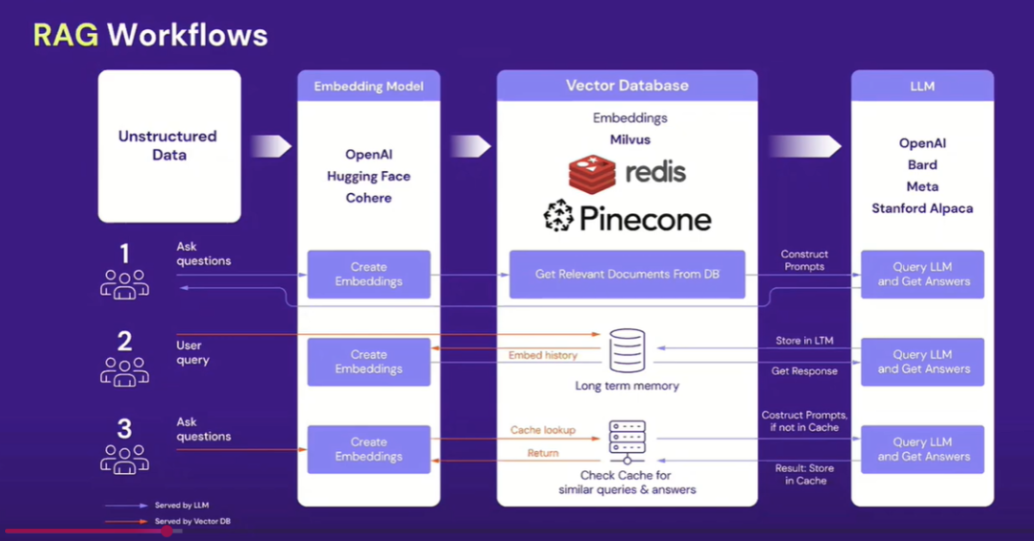
Many organizations are building RAG (Retrieval-Augmented Generation) workflows to enrich LLMs (large language models) with internal datasets
RAG workflows depend on a vector database, which stores enriched information to support the workflow. HYCU is an early enterprise backup provider that delivers native support for data platforms like Pinecone (AWS vector database) and Redis vector database. They also support classic databases that store vector information.
SaaS Adoption Introduces Data Protection Challenges
The explosion in SaaS adoption adds another layer of vulnerability. HYCU’s own research cites that 65% of surveyed organizations suffered a SaaS data breach in the past year. Recovery from those breaches took an average of 5 days and cost $400k per day
SaaS data is trickier to restore because you must back up more than the data. The configurations, schemas, access policies, and metadata are required to restore the data in place in the SaaS app to make a quick recovery.
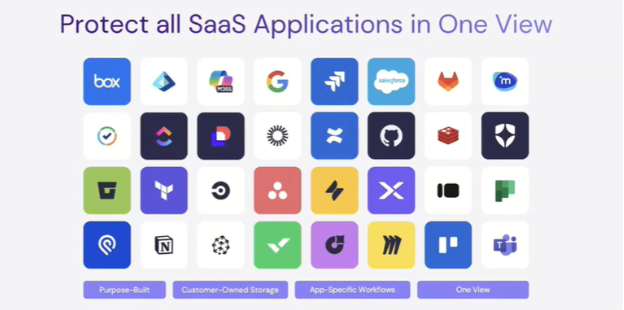
This is probably the reason even though SaaS apps are growing quickly, the traditional vendors only add support for a handful each year. HYCU is able to support over 90 SaaS applications because their platform accelerates module development using AI.
Data Ownership
Customers always own their data, including backup data. This data is kept separate from production data, worm-locked, and isolated to prevent unauthorized access.
Customers can choose where their data is:
- Protect data in their own sovereign location, a data center, or the cloud.
- Recover data from any location, even across platforms (e.g., protecting a Google Cloud asset and recovering it in Microsoft Azure, or vice versa).
HYCU supports a wide range of storage options, including all major hyperscalers, S3-compatible vendors like Wasabi and Cloudian, and on-premises solutions.
Conclusion
Data protection has always been a strategic imperative, not just a technical requirement. AI workflows have introduced new ways to think about protecting data. HYCU’s comprehensive platform addresses the unique challenges of AI workloads, from protecting vector databases and SaaS applications to ensuring data portability and ownership. By safeguarding the data, configurations, and insights that power AI, HYCU empowers organizations to innovate with confidence.
To learn more about how HYCU is transforming data protection for AI, watch their AI Field Day presentations and see their solutions in action.
